^For New Patients that do not have dental insurance. New patients must be 18 or older to receive this discount. Discounts cannot be combined with other offers or dental discount plans. Additional fees may be included in individual cases.
$500 off Orthodontics^^
Get $500 off your Orthodontic care at Our Dental Office!
^^For new patients without dental insurance. Once per patient.
Been holding back?
At our dental office, we understand that managing the cost of dental care is important to you. That's why we offer flexible financing options through Care Credit, Mountain America, and more. With these trusted partners, you can receive the treatment you need while managing your budget comfortably. Ask our friendly staff for more details on how we can help you achieve a healthy, beautiful smile with our convenient financing solutions.
Choose our top-rated dental practice for the best care in Prescott. We blend advanced technology with a friendly, compassionate approach to give you great treatment. From routine check-ups to advanced procedures, our skilled team is here to keep your smile healthy and bright.
New Patient Specials
We value every new patient and offer exclusive specials to make your first visit even more rewarding. Enjoy discounted initial exams, cleanings, and other promotional services. Experience our top-quality care and start your journey to a healthier smile with these limited-time offers. Join us today!
Zero Stress, Judgment Free
We understand dental visits can be stressful, so we've created a space where you can feel at ease. Our team provides care without judgment, ensuring you can discuss your concerns openly. We believe everyone deserves a positive dental experience, and we're committed to making that a reality.
Meet Our Doctors
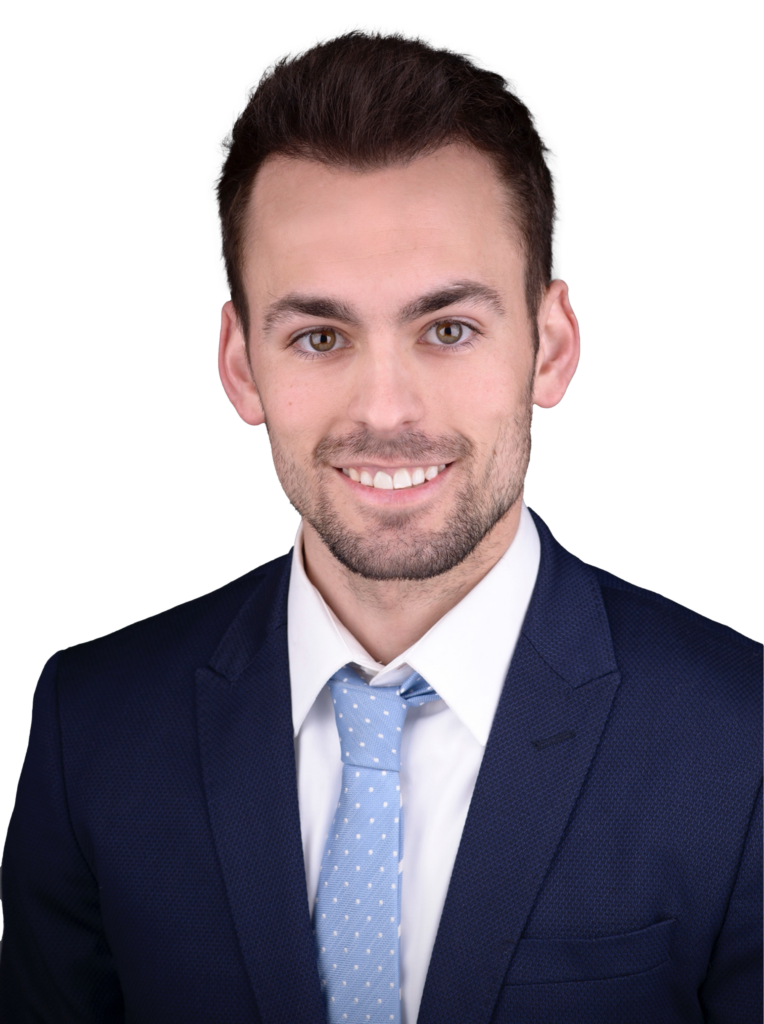
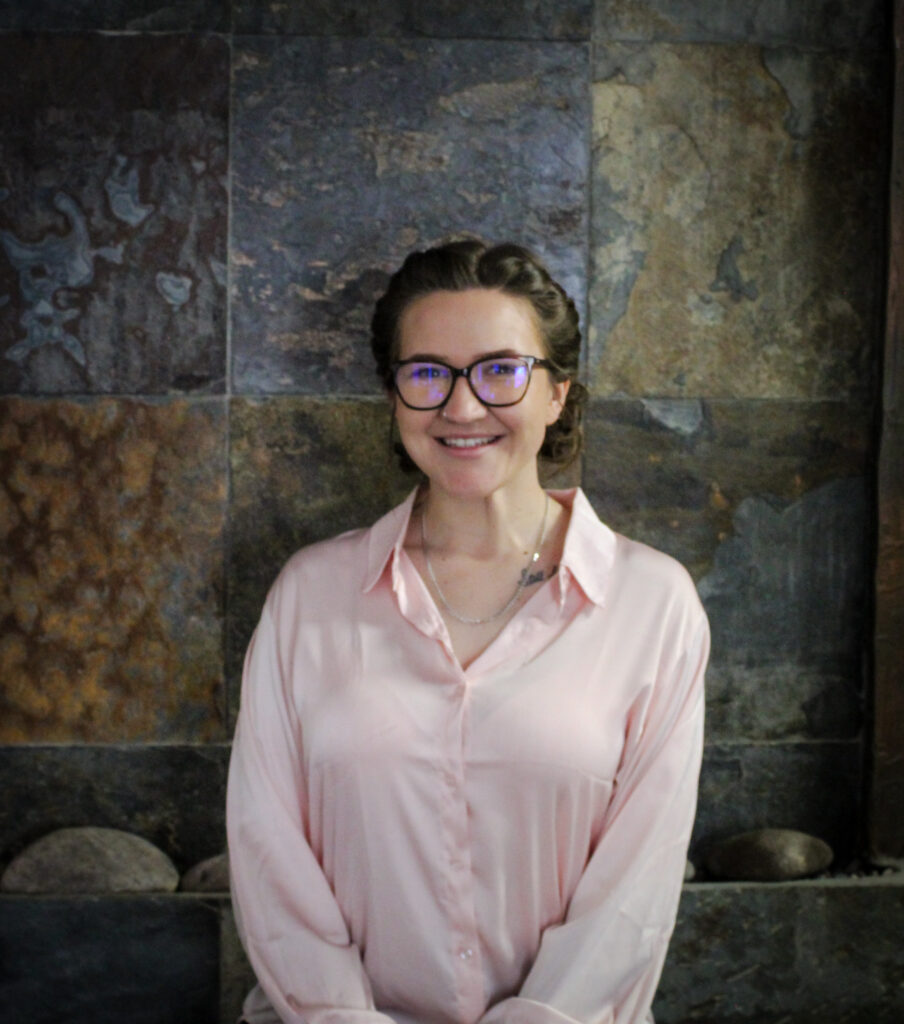
Tyler Bingham, DMD
I couldn’t be more impressed with Dr. Bingham. From the welcoming atmosphere to the expert dental team, everything was perfect. This is hands down the best dentistry experience I’ve had.
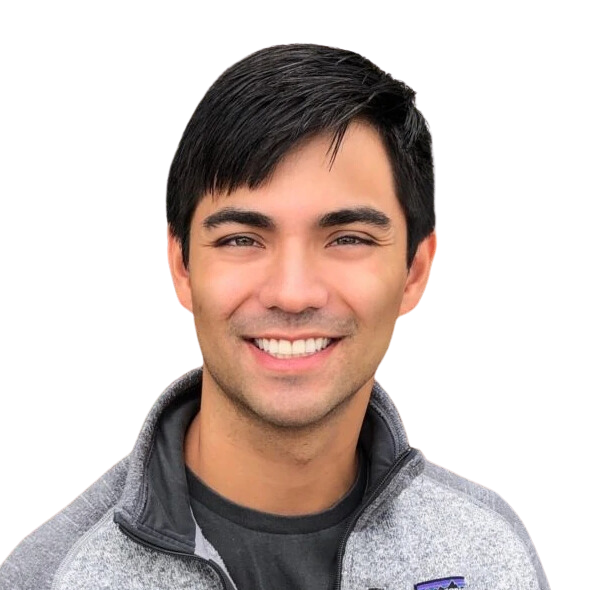
Dr. Gilge was amazing! He explained everything clearly, made me feel comfortable, and the procedure was quick and painless. The staff was also friendly and supportive. I highly recommend Dr. Gilge for anyone needing oral surgery!
Including complex tooth extractions and dental implants. We also provide bone grafting, and wisdom teeth removal, ensuring comprehensive care for all oral and facial surgical needs.
Our cosmetic dental services include veneers, teeth whitening, bonding, and clear aligners. We also offer dental implants, tooth-colored fillings, crowns, bridges, and smile makeovers to enhance the appearance and aesthetics of your smile.
Endodontic services include root canal treatment, retreatment of root canals, and endodontic surgery. We also offer pulp capping and pulpotomy, cracked teeth treatment, and internal tooth bleaching, providing comprehensive care for all endodontic needs.
Periodontal services include periodontal disease consultations, gum disease treatment, and periodontal surgery. We also offer laser periodontal therapy, correcting gum recession, cosmetic periodontal procedures, and regular periodontal treatment visits, ensuring comprehensive care for maintaining and enhancing gum health.
Our orthodontic services include traditional braces, ceramic braces, and clear aligners. We specialize in alignment and occlusion, underbite and overbite correction, fixing teeth crowding, and providing retainers and custom mouth guards. We also offer adult braces to ensure comprehensive orthodontic care for patients of all ages.
Our practice uses the latest technology and experienced dentists to provide the best possible care to our patients. Additionally, we strive to “Be The Reason”, and create a comfortable and welcoming environment for everyone who walks through our door. Our flexible payment options make dental care affordable for everyone. We are the top choice for dental care in Prescott.
Contact our office today to schedule a consultation. Our compassionate team is here to support you throughout the entire process, providing exceptional care and ensuring your journey to a radiant smile is a positive and enjoyable one.
We will help you file claims, or in most cases on your behalf, saving you the time and hassle. Our knowledgeable benefit coordinators can help you maximize your dental benefits and minimize your out-of-pocket cost. We will tell you upfront what your insurance plan will pay for and offer options for taking care of any remaining balance.
We are OPEN for ALL dental care procedures and emergency needs. Protecting the health and safety of our patients, families, and team members remains our number one priority.
In-house Discount Plan*
$119.95/yr/individual & $179.95/yr/family with discounts of 20%-30% off all services.
^For New Patients that do not have dental insurance. New patients must be 18 or older to receive this discount. Discounts cannot be combined with other offers or dental discount plans. Additional fees may be included in individual cases.
$500 off Orthodontics^^
For New Patients without insurance we offer a great rate on your first Exam & set of X-Rays.
Special offers for Gift Cards and Teeth Whitening require new patients to complete an appointment. Offers cannot be combined, are limited to one per patient, and must be used within one year of your first appointment.
Please note, additional appointments may be necessary for optimal dental care. We have a cancellation policy in place requiring 48-hours notice for regular appointments and 4 business-days for specialists. Non-compliance incurs a $50 fee for standard appointments and $150 for specialty appointments.